

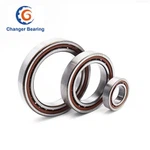


Bearing
What Is Bearing?
Bearings are machine elements that allow components to move with respect to each other. There are two types of bearings: contact and non-contact. Contact-type bearings have mechanical contact with equipment, which includes sliding, rolling, or flexural bearings.Non-contact bearings include liquid, air, mixed-phase, and magnetic bearings. The lack of mechanical contact eliminates static friction.A bearing is a machine element that constrains relative motion to only the desired motion and reduces friction between moving parts.
Advantages of Bearing
The friction resistance and the power consumption are small, the mechanical efficiency is high, and is easy to start.
Size standardization, interchangeability, easy to install and disassemble, easy to repair.
The structure is compact, the weight is light, and the axial size is narrower.
High precision, large load, and long service life.
Some bearings have the performance of automatic heart adjustment.
It is suitable for mass production, the quality is stable and reliable, and the production efficiency is high.
The friction torque of the transmission is much lower than that of the fluid dynamic pressure bearing, so the friction temperature rise, and the power consumption are low.
The axial size is less than the traditional fluid dynamic bearing.
The combined load of radial and thrust can be borne simultaneously.
Within a large load-velocity range, the unique bearing design can achieve excellent performance.


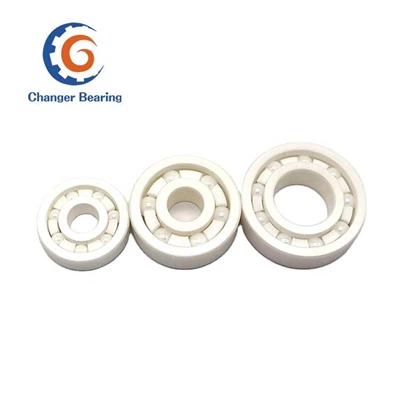
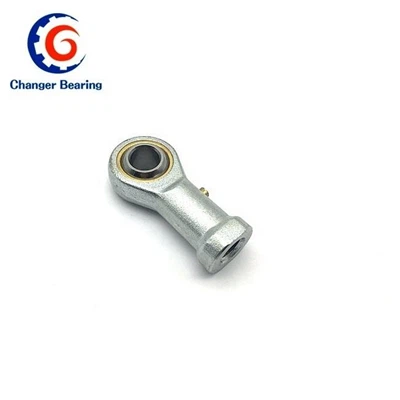
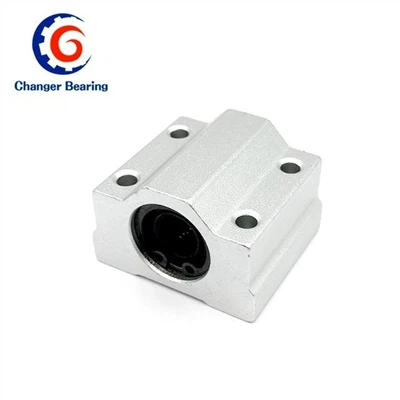

Why Choose Us
Our Factory
Our factory covers more than 20,000 square meter land including 16,000 square meters workshop space, and we have more than 200 skillful staff.
Our Certificate
We also have own brands, CHGER, REMOTIONER, and obtain ISO, SGS, RoHS certificates. We accept ALIBABA assurance.
High Quality
We take pride in the craftsmanship of our products and ensure that each one meets our strict standards for quality.
Fast Delivery
The delivery speed is fast, and the delivery will be sorted out for you as soon as the order is placed.
Rotary bearings
Rotary bearings are designed to assist an object in moving round a central point. They can include both oscillation, whereby there is an oscillating motion between two separate components, and constrained one-direction rotation.
Linear bearings
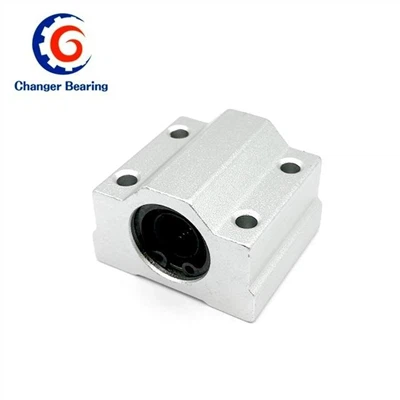
As Agro Engineers points out, Linear bearings are used to permit motion in a straight line. This type of bearing provides a low friction motion along a single axis.
Fluid bearings
When fluid bearings are required the load is typically carried by a gas or liquid. They are normally used when an application requires high precision, high speed or high loads.
Magnetic bearings
Magnetic bearings are employed when a load is carried by a magnetic field, most often in electrical meters to measure power consumption.
Flexure bearings
As their name suggests, flexure bearings are used when the load is required to bend and are typically one part that joins another.
Application of Bearing
Automotive industry
Bearing are widely used in automobile engines, transmissions, and wheel bearings. They make rotating easier, which lowers friction and improves performance all around.
Industrial machinery
Bearing are used in manufacturing machines, electric motors, and conveyor systems in industries. Their longevity and accuracy support effective operations.
Home appliances
Bearing are used in common appliances such as blenders, fans, and washing machines. Their presence guarantees these devices' silent and seamless operation.
Aerospace technology
Bearing are essential in aerospace applications such as aircraft engines and navigation systems. In this industry, their high precision and lightweight design are especially valued.
Medical equipment
When it comes to medical equipment, efficiency counts. Smooth movement is essential in many medical instruments, including scanning machines and surgical tools using Bearing.
Components of Bearing


Inner ring
The inner ring is the smaller of the two bearing rings. It has a groove on its outer diameter to form a raceway for the balls. The surface of the outside diameter path is finished to extremely tight tolerances and is honed to be a very smooth surface. The inner ring is mounted on the shaft and it is the rotating element.
Outer ring
The outer ring is the larger of the two bearing rings. On the outer ring, there is a groove on its inside diameter to form a pathway for the balls. It also has the same high-precision finish as the inner ring. The outer ring is usually held stationary.
Rolling element (balls, cylindrical rollers, spherical rollers, tapered rollers, needle rollers)
The rolling elements separate the inner ring and outer ring and permit the bearing to rotate with minimal friction. The dimension of the rolling elements is made slightly smaller than the track on the inner and outer rings.
Rolling element dimensions are controlled to very high accuracy. Surface finish and size variations are important attributes. These attributes are controlled to a micro inch level.
Cage (retainer)
The purpose of the cage in bearings is to separate the rolling elements, maintain a constant spacing between the inner and outer rings, accurately guide the rolling elements in the path during rotation, and to prevent the rolling elements from falling out.
Lubrication
The lubricant is an integral part of a bearing's standard components. Lubrication is added to reduce friction losses in bearing between inner and outer rings.
Other optional bearing components
The other additional components shields and seals enhance the performance and life of the ball bearing. These optional components are added to the bearing as per the customer's requirement to increase the performance of the bearing.
Shields
The shield is a stamped, profiled sheet metal disc. The shield is pressed into a very small groove on the inside edge diameter of the outer ring. A small space or gap remains open between the outside diameter of the inner ring and shield.
Because the shield does not contact the inner ring of the bearing, there is no added friction between the shield and bearing. This results in a bearing that has very low torque. The purpose of shields is to keep larger particles of contamination from entering the bearing.
Seals
The seal is also inserted into the very small groove on the inside, edge diameter of the outer ring. The inner edge of.
Material of Bearing
Aisi316 austenitic stainless
Bearing components made from 300 series stainless steel materials have greater corrosion resistance and are non-magnetic because of the low carbon content. However, the tradeoff is that this material cannot be hardened so the bearings can only operate under low loads and speeds. The surfaces of the bearing undergo a chemical reaction with the oxygen called a passivation process; the passive film developed on the surface protects the bearing from corrosion. The corrosion resistance is best when the bearing is not completely submerged in liquid (such as underwater applications). Bearings made from this material are usually special order items requiring minimum quantities; in addition they are more expensive.
Other 300 series stainless
The bearing shields, seal washers and ball retainers are sometimes made from aisi303 or aisi304 stainless steel because they have moderate corrosion resistance and are better for forming into the various shapes.
Carbon alloy steel
Carbon steel materials are used to produce various components of bearings and have two basic types, medium versus low carbon alloy steel.
Medium carbon alloy
Bearings made from medium or low carbon alloy steel material are typically called “semi-precision” or “commercial grade” bearings. The typical materials are aisi8620 or aisi4320. The inner and outer rings are surface hardened in a heat-treating process call case hardening or carburizing. Bearings made from these materials cannot carry high loads or operate at high speeds and they do not have corrosion resistance. The bearings made from these materials are usually low cost.
Low carbon alloy
Low carbon steel is used in the production of bearing cages, metal shields and metal washers around which rubber is molded for seals. Common materials are aisi c1008 and c1010. The material needs to be protected from corrosion with a coating of oil/grease (cages) or by plating (shields). Additional information on retainers and closures can be found in the respective technical bulletins.
Handle and store correctly
To avoid contaminants including moisture, dust or dirt entering the bearing, they should be handled and stored correctly. Firstly, bearings should be stored horizontally in their original packaging in a clean, dry and room temperature environment. When bearings are unnecessarily handled, for example, if their wrappings are prematurely removed, this can expose them to corrosion or contaminants. Bearings are delicate components and should be treated with care. As such, components that have been dropped shouldn't be used as this could lead to premature failure.
Use specialist tools
Additionally, appropriate equipment should be used when handling bearings. Tools that are not specialised for use during the bearing mounting and dismounting process can cause unnecessary damage, denting and wear. Bearing pullers or induction heaters for example, are designed specifically for bearings.
Check the bearing housing and shaft
Inspect the physical condition of the housing and shaft prior to mounting the bearing. Use a soft cloth to wipe the surfaces clean, before familiarising yourself with the correct mounting method.
Mount correctly
You should use the correct method when mounting your bearings and this varies depending on the type of bearing and type of fit. Radial ball bearing rings can be mounted with a variety of fits from sliding fits to tight press fits, depending on the type of load, the speed and vibration levels. Applying pressure to the wrong ring when fitting can result in damage to the rolling elements. Equally, excessively loose or excessively tight fits, a poor finish on the bearing seats or out of round shafts or housings should also be avoided.
Get your lubrication right
One of the leading causes of bearing failure is lubrication failure. This encompasses using the incorrect lubricant, as well as using too much or too little lubrication. The correct lubricant is chosen by considering the environmental conditions, temperature, speed and load.A bearing specialist will be able to advise on a suitable lubrication match and can control bearing lubrication to within a few milligrams. So, if you require a low, normal or high grease fill, you'll be safe in the knowledge that your lubrication won't cause problems later down the line. Another way to ensure you're getting your lubrication right is to invest in an automatic lubrication system. This system delivers the correct amount of lubrication and the right time, making sure your equipment is properly lubricated at all times.
Avoid temperatures outside the bearing's range
If a steel bearing is heated above the limit that it is designed for, this can permanently deform or soften the bearing material, resulting in a reduced load carrying capacity and leading to equipment failure. Choosing a bearing that is suitable for your temperature operating range is the first step. During regular maintenance, look out for discolouration of the rings, rolling elements and cages, as this could indicate overheating. This can be the result of excessive operating temperatures and improper lubrication and requires your attention quickly.
Where possible, prevent corrosion
Corrosion is the natural enemy of bearings. Over time, if bearings are exposed to moisture, corrosion will occur. This can lead to rust entering the raceway and ultimately, premature bearing and equipment failure. Wearing gloves will ensure that perspiration or other liquids do not enter the bearing. When designing specifically for corrosive environments, selecting the right bearing is key. For example, opting for a 316 stainless steel bearing with seals is often a good choice in marine or chemical environments.
Choose your replacement carefully
If a bearing does reach the end of its operating life, replace your bearing with one that is identical or superior in quality to the original. A low-quality alternative will be more likely to fail and could lead to more costly equipment failure in the long run.
Monitoring
It's rare that a bearing will fail without any warning signs. Excessive noise or an increase in vibration or temperature could be the symptom of a deeper problem. If a bearing exhibits any operational abnormalities, it should be monitored more closely. Another great way to monitor bearing health is with an automatic lubrication system. This system can accurately monitor your important components and ensures that they are being properly lubricated at all times.
Call in the experts
Finally, if in doubt, seek the help of an expert. A bearing specialist will be able to advise you on the best maintenance method for your specific application and will be able to help you diagnose any bearing problems. It can be as simple as sending your problem bearings to experts, who will inspect and relubricate your bearings if required.
The Stage of Bearing Production
Forging stage
The forging stage is crucial in ensuring bearings' reliability and lifespan. After forging, the raw materials form rough bearing blanks. At the same time, the material's structure becomes denser and more streamlined, improving bearing reliability and lifespan. Additionally, the quality of the forging process directly affects the material utilization rate, affecting production costs.
Heat treatment stage
The heat treatment stage involves subjecting the forged and machined bearing blanks to high-temperature treatment. It directly affects the uniformity of carbon diffusion in the bearing blanks, enhancing wear resistance and hardness, and is crucial for ensuring the reliability and lifespan of bearings.
Grinding stage
After heat treatment, the bearing blanks undergo grinding, essential for maintaining bearing precision. After the grinding stage, the production of bearing blanks is essentially completed.
Bearings reduce friction by providing smooth metal balls or rollers, and a smooth inner and outer metal surface for the balls to roll against. These balls or rollers “bear” the load, allowing the device to spin smoothly.The bearing makes many of the machines we use every day possible. Without bearings, we would constantly be replacing parts that wear out from friction. Objects roll more easily than they slide. The wheels on your car are like big bearings. If you had something like skis instead of wheels, your car would be much more difficult to push down the road.
The Dos For A Proper Handling of Bearings
Do keep bearings in a clean and dry environment
Contaminants such as dust and other types of dirt can greatly compromise the quality of bearings. So, when you need to install or store these until their time of use, do keep them in a clean and dry environment. It will also help to cover them to prevent particles in the air from contaminating them.
Do assign a specific storage space for your bearings
Consider investing in compartmentalized cases to store bearings (that is, if you don’t always buy bearings as a set, since doing so means you automatically get a case). Likewise, line the compartments where you’ll keep the bearings with cushioning material. This is an effective strategy in reducing the risk of damage to the bearings. Compartmentalizing your product also gives you an advantage to easier stock control and inventory management.
Do clean your hands when handling bearings
Oil and dirt from your hands can likewise affect their quality; even your own sweat can harm the bearings because perspiration contains oil and acids.Aside from cleaning your hands before handling bearings, you also have the option to handle them like trained professionals do, which is by using a fresh pair of talc-free surgical cots or gloves and wearing a lint-cap, shoe covers, and smocks.
Do use the right tools for installation
Always follow the instructions for installation or removal for replacement, and only use the tools indicated in the instructions. This is because using the wrong tools can create scratches on the surface bearings, which may eventually result in more significant damage that can also compromise the mechanical parts surrounding the bearings. Certain manufacturers provide manuals with clear instructions as to how you can install your bearings without exposing it to shock or extreme force. In mineral circles bearings, we provide robust support and technical tools and maintenance solutions for you to effectively perform the installation you’re looking forward to do all by yourself!
Do be extra careful in handling bearings
As much as possible, do not handle the bearings along with other hard materials because any brushing or bumping motions involving other solids can scratch the bearings, and a scratch can easily grow into a bigger type of damage that can result in bearing failure. Strong impact typically leads to brinelling and cracking.
Our Factroy
Hangzhou Changer Bearing Co., Ltd. is one of the leading and professional suppliers in bearings and power transmission in China since 2013 year. Meanwhile, REMOTIONER INDUSTRIAL LIMITED supplies industrial tools, gear motors, etc. Our factory covers more than 20,000 square meter land including 16,000 square meters workshop space, and we have more than 200 skillful staff. Based on the casting lines for supplying complete ranged products.

Our Certificate
We also have own brands, CHGER, REMOTIONER, and obtain ISO, SGS, RoHS certificates.

FAQ